


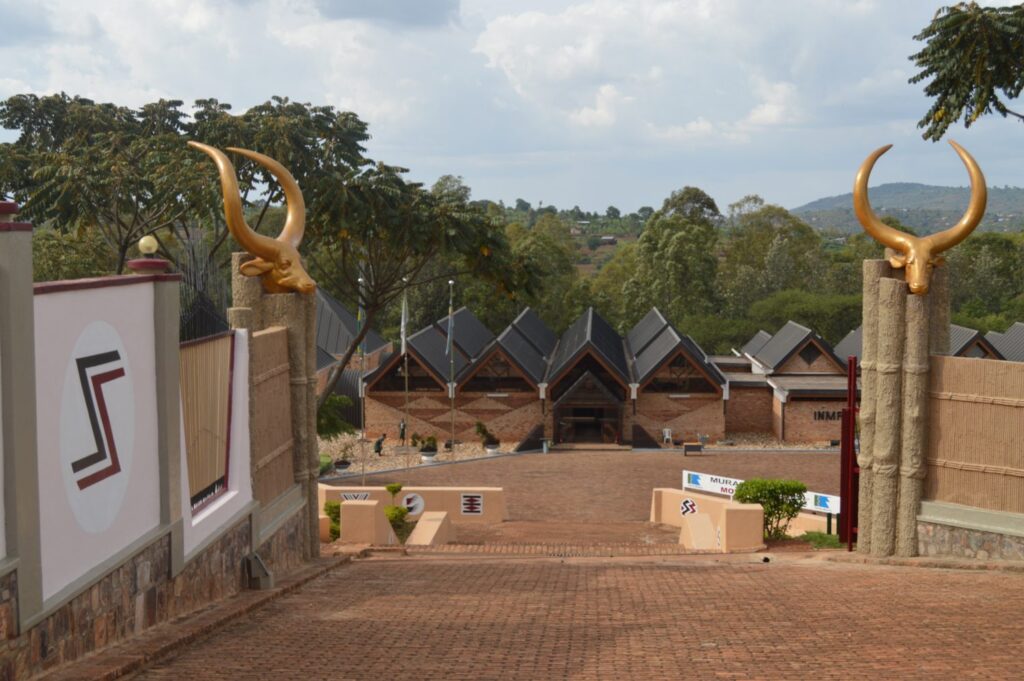
The 5-Day Rwanda Museums Cultural Itinerary is a deeply enriching journey designed to explore Rwanda’s history, heritage, and environmental vision through its most important museums and cultural sites. This itinerary offers travelers, students, and researchers an educational and reflective experience covering genocide remembrance, traditional monarchy, ethnographic heritage, natural history, and modern environmental conservation.
Traveling across Kigali, Nyanza, Huye, and Karongi (Lake Kivu), guests gain a comprehensive understanding of Rwanda’s past, present, and future through guided museum visits, cultural storytelling, and immersive learning.
This 5-day cultural itinerary is designed to provide a balanced and educational exploration of Rwanda’s museums and heritage sites. The tour connects historical reflection, cultural discovery, and environmental awareness, making it ideal for academic groups, cultural tourists, NGOs, and anyone interested in Rwanda’s journey of resilience, identity, and sustainability.
Specialization: History, Peace & Genocide Studies
Begin the journey with a powerful and emotional visit to the Kigali Genocide Memorial, a national site of remembrance dedicated to the victims of the 1994 Genocide against the Tutsi. Through guided exhibitions, testimonies, and memorial gardens, visitors gain deep insight into Rwanda’s history, the causes and consequences of genocide, and the country’s ongoing commitment to peace and reconciliation.
Key Highlights:
Historical archives and interactive exhibitions
Mass graves and remembrance gardens
Education on peacebuilding, unity, and reconciliation
Specialization: Natural History & Colonial History
This museum, once the residence of Dr. Richard Kandt, Rwanda’s first colonial administrator, explores the country’s natural environment, biodiversity, and early colonial history. Visitors learn about Rwanda’s ecosystems, geological formation, and wildlife while understanding the impact of colonial exploration.
Key Highlights:
Rwanda’s ecosystems and biodiversity
Geological and volcanic history
Early colonial exploration and administration
Specialization: Traditional Monarchy & Royal Culture
Travel to Nyanza to explore Rwanda’s royal heritage at the King’s Palace Museum. The site showcases a reconstructed traditional royal palace and provides insight into the monarchy, governance systems, rituals, and royal customs of pre-colonial Rwanda. Visitors also encounter the iconic Inyambo cows, symbols of prestige and culture.
Key Highlights:
Replica of the traditional royal palace
Inyambo (royal long-horned cows)
Traditional leadership, rituals, and ceremonies
Specialization: Ethnography, Culture & Anthropology
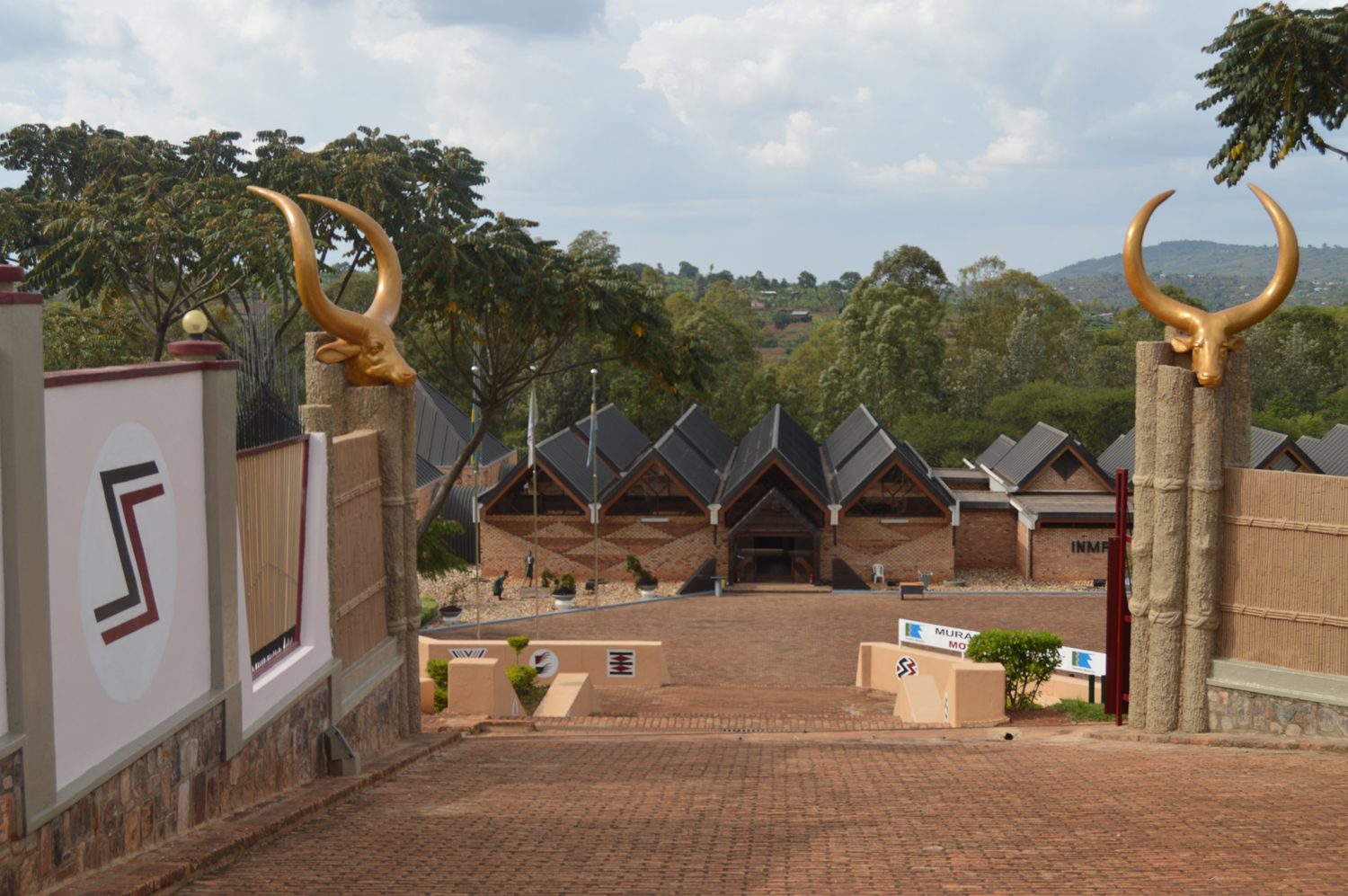
The Ethnographic Museum is Rwanda’s largest and most comprehensive cultural museum. It presents traditional lifestyles, beliefs, crafts, music, and social structures of Rwandans before colonization, offering a deeper understanding of daily life, values, and community organization.
Key Highlights:
Traditional tools, crafts, and household items
Music, dance, and oral traditions
Social, cultural, and economic life of ancient Rwanda
Specialization: Environment, Climate Change & Conservation
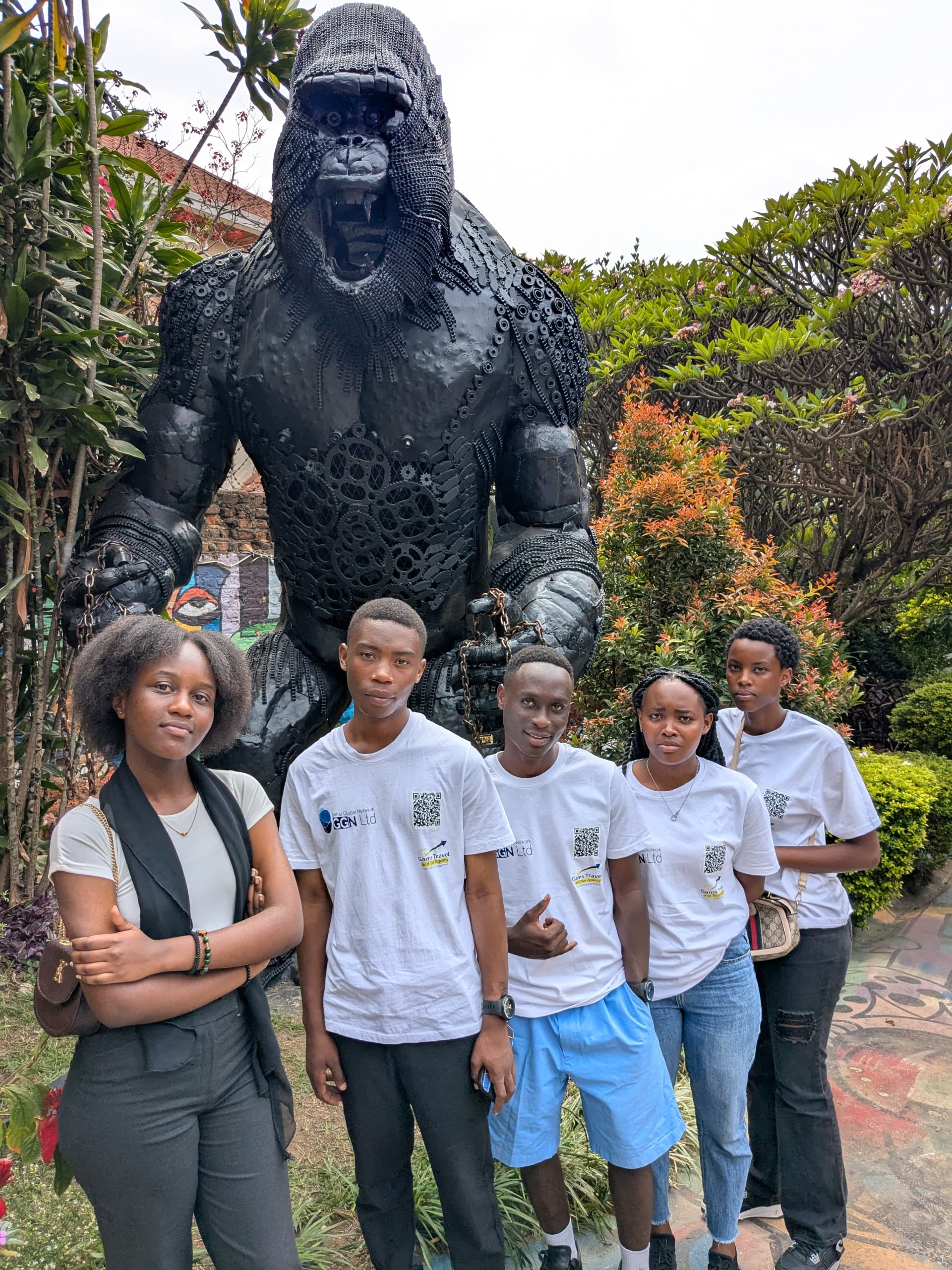
Conclude the journey at the Environmental Museum in Karongi, near the scenic Lake Kivu. This museum highlights Rwanda’s leadership in environmental protection, climate change awareness, and sustainable development. The visit offers insight into green initiatives and conservation practices shaping Rwanda’s future.
Key Highlights:
Climate change education and awareness
Environmental conservation practices
Rwanda’s green growth and sustainability initiatives


Write Your Review